Entry · Ref 1UB90RGB
How a Criminal Defense Lawyer in Lafayette LA Works to Dismiss Charges
- Posted
- 2026-10-09
- Last amended
- 2026-10-09
- Account
- @finnvija498
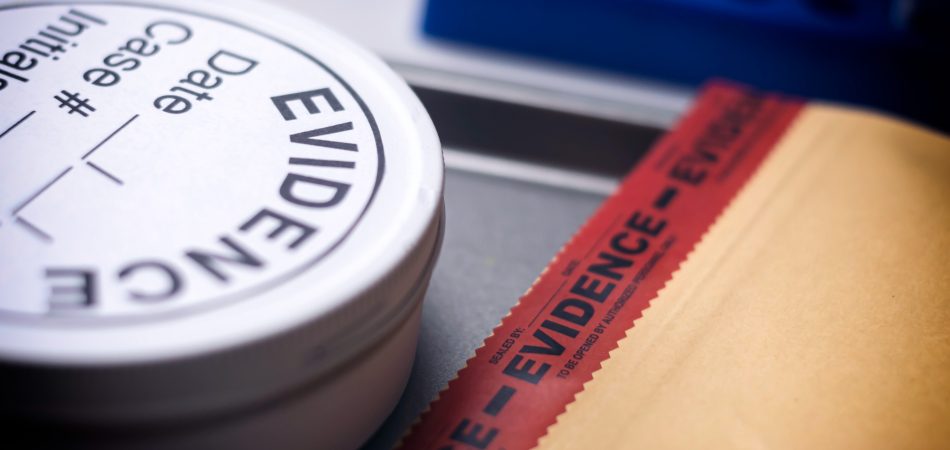
A criminal case does not begin in the courtroom. It begins in the street, at a traffic stop, in a hurried interview room, outside a nightclub, inside a dorm, or after a domestic dispute when emotions are running high and statements come out tangled. By the time formal charges appear on paper, the story already has momentum. Police reports are written. Witnesses have talked. Evidence may have been seized, mishandled, or misunderstood. That is why the work of a defense lawyer starts early, often long before a jury is ever discussed.
When people hear the phrase dismissal, they sometimes imagine a dramatic moment where a judge simply throws the case out after one sharp argument. That can happen, but it is not the usual path. More often, dismissal is the result of careful pressure applied at the right points in the case. A skilled criminal defense lawyer in Lafayette LA looks for weaknesses in the stop, the arrest, the identification, the search, the chain of custody, the witness statements, and the prosecution’s ability to actually prove every element beyond a reasonable doubt. Charges get dismissed when those weaknesses are exposed clearly enough that the state cannot or should not keep going.
Lafayette cases have their own texture. Local court practices matter. So do relationships, not personal favors, but professional credibility built over time. Knowing how a particular judge handles suppression issues, how a local prosecutor evaluates evidentiary defects, or how officers from certain agencies document arrests can affect strategy in ways that are invisible from the outside. Good defense work is legal analysis, investigation, and judgment all at once.
Dismissal is a legal result, not a slogan
Clients understandably fixate on one phrase: “Can you get this dismissed?” The honest answer is that dismissal depends on facts, law, timing, and leverage. A lawyer cannot manufacture a flaw that does not exist. What counsel can do is identify every legitimate basis to challenge the case and force the prosecution to confront the risk of losing.
Some cases are dismissed because the state lacks enough evidence from the beginning. Others collapse after the defense files motions that block key evidence from coming in. Sometimes a complaining witness recants or stops cooperating. In other situations, surveillance footage tells a very different story than the police report. There are also cases where the charge itself is overreaching. A felony filing may shrink to a misdemeanor, and from there a dismissal becomes possible through negotiation or diversion.
The key point is this: dismissal is rarely luck. It is usually the product of methodical work that reveals the case is weaker than it first appeared.
The first pass through the file often changes everything
An experienced defense lawyer does not read an arrest report as if it were neutral history. The report is one version of events, often written quickly, often built around probable cause, and sometimes padded with legal phrases officers know prosecutors expect to see. “Nervous behavior,” “furtive movements,” “plain smell,” and “consent was given” are familiar examples. Those phrases can be accurate, but they can also be shortcuts that hide important details.
Early review usually focuses on several pressure points. Was there a lawful basis for the stop or detention? Did officers extend the encounter without reasonable suspicion? Was a search performed with a warrant, valid consent, or a recognized exception? Were Miranda warnings required and, if so, properly given? Did the alleged victim or witness make inconsistent statements? Does body camera footage match the written narrative?
That first review can reshape the case. I have seen files where the report sounded airtight until the dispatch log showed a timeline problem. A so called consensual search looked far less voluntary once body cam footage revealed three officers surrounding a frightened driver on the shoulder of a highway at night. A confident eyewitness identification started to unravel when it turned out the witness had only seen the suspect for a few seconds in poor lighting after drinking.
Those details are not technicalities in the dismissive sense people sometimes use. They are the guardrails of a lawful prosecution.
Illegal stops and searches are common grounds for attack
Many dismissals begin with a Fourth Amendment issue. If police stopped someone without a valid legal basis, or searched beyond what the law allowed, the defense may ask the court to suppress the resulting evidence. In practical terms, suppression means the prosecution cannot use that evidence at trial. If the excluded evidence is central to the case, dismissal may follow because there is not enough left to proceed.
Drug cases often rise or fall here. Consider a traffic stop in Lafayette where an officer claims a lane violation, then turns a short stop into a fishing expedition. If the video fails to show a clear traffic violation, or if the detention was improperly prolonged after the reason for the stop ended, a lawyer may challenge both the stop and everything that came after it. If narcotics were found only because the officer unlawfully extended the encounter, the prosecution may lose the core evidence.
Gun cases can turn on similar questions. Was the vehicle search valid? Was a residence entered under proper authority? Did officers exceed the scope of a consent search? The language matters. “He let us look around” is not the same as consent to open every closed container or pry into digital devices.
Louisiana criminal procedure has its own framework, but the broader constitutional principles remain critical. A criminal defense lawyer in Lafayette LA who handles these issues regularly knows how to match local practice with the underlying law and build a record strong enough to support suppression.
Statements can be attacked even when clients think they “already admitted it”
People often assume that once they have talked, the case is over. That is not always true. Confessions and admissions are frequently messier than they sound in conversation. A statement may have been taken after an unlawful detention. Miranda may not have been given when required. The suspect may have asked for a lawyer in words officers ignored or downplayed. Intoxication, exhaustion, mental health issues, or Criminal defense lawyer Lafayette LA coercive interview tactics may also affect admissibility and reliability.
Even when a statement comes in, context matters. Police summaries are not transcripts. I have reviewed interviews where a report converted an uncertain, rambling answer into a neat admission that the recording did not support. That discrepancy can be powerful. If the prosecution’s narrative depends on a statement being stronger than it actually was, pressure builds quickly.
False admissions are not just a television plot device. They happen. Younger suspects, especially, may talk in an effort to go home, please authority figures, or explain themselves out of trouble. A seasoned defense lawyer looks at the circumstances closely. How long was the interview? Were breaks denied? Did officers feed facts into the conversation? Was the recording complete?
When those questions expose serious problems, the prosecutor may decide the case is no longer worth the risk.
Witness problems sink more cases than most people realize
Witnesses are fragile evidence. Memory shifts. Anger cools. Relationships change. Perception was imperfect from the start. This is especially true in assault, domestic violence, and bar related incidents, where confusion, alcohol, noise, and split second action shape what people think they saw.
That does not mean every witness is unreliable. It means witness testimony needs testing. A defense lawyer will compare statements across time, examine prior inconsistent accounts, look for bias, and search for outside evidence that either supports or contradicts the story. Phone records, text messages, social media posts, and surveillance video can all matter.
A common example arises in battery allegations. The initial complaint may describe one person as the aggressor, but photos, messages, or third party footage may suggest mutual combat or self defense. In another case, a witness may identify the wrong person because of poor viewing conditions and stress. Confidence at trial does not always equal accuracy.
Prosecutors know these weaknesses matter. If a key witness stops cooperating, contradicts prior statements in a meaningful way, or appears likely to be impeached hard in court, dismissal becomes much more realistic. It is not only about whether the witness will show up. It is about whether the witness can survive scrutiny.
Forensic evidence is only as good as the handling behind it
Jurors tend to give scientific evidence a lot of weight, often more than it deserves. Outside the lab report itself, there is a long chain of human decisions. Evidence must be collected properly, sealed, stored, documented, transported, tested, and interpreted. Every handoff is a possible problem.
In drug cases, the substance seized in the field must be the same substance tested later. In DWI cases, machine maintenance, observation periods, blood draw protocol, and sample integrity all matter. In firearm and DNA cases, contamination and chain of custody issues can become central.
One weak link does not automatically destroy a case, but repeated sloppiness can. A lawyer looking for dismissal will scrutinize logs, timestamps, packaging, officer notes, and lab disclosures. If the state cannot authenticate what it claims to have seized, or if the testing process has meaningful defects, the prosecution may face a choice between reducing, dismissing, or risking an embarrassing evidentiary fight in open court.
Charging decisions are not always as solid as they appear
The formal charge on a bill of information or indictment often gives the impression that the state has already proved something. It has not. Charging is an allegation, and allegations can overshoot the facts.
That happens for several reasons. Officers may overstate conduct in the heat of an arrest. Prosecutors may file the most serious plausible charge before full review. Additional evidence may later complicate the theory. The law itself may require proof of a mental state or specific act that the available evidence cannot really establish.
Take theft related offenses. The difference between a misunderstanding, a civil dispute, and a criminal taking is not always obvious from the initial complaint. In drug distribution cases, possession of several items may look suspicious, but suspicion is not the same as proof of intent to distribute. In resisting cases, the actual body cam footage may show confusion rather than willful obstruction.
A smart defense lawyer presses these distinctions early. Sometimes that leads to dismissal of the top count. Sometimes all charges become vulnerable once the overcharge is exposed.
Motions are where dismissal often becomes possible
A lot of the real work in criminal defense is done in writing and at pretrial hearings. The public rarely sees it, but motions practice is one of the main engines behind dismissals. A motion to suppress evidence, a motion to suppress statements, a Criminal defense lawyer Lafayette LA ikerdlaw.com motion to quash, or a discovery related motion can change the entire landscape of a case.
A well drafted motion does more than cite law. It tells the court exactly where the prosecution’s foundation is cracked. It narrows disputed facts, highlights missing evidence, and forces the state to commit to a theory before trial. That matters. Once officers testify under oath at a hearing, contradictions can surface. A vague police narrative often sounds less persuasive when examined line by line.
There is also strategic timing involved. File too early and you may not have enough discovery. File too late and you lose leverage or run into procedural hurdles. Lawyers who handle these cases regularly know that dismissal is often less about one dramatic argument and more about choosing the right fight at the right moment.
Negotiation is part of the dismissal process, not a retreat from it
Some people hear “negotiation” and assume the lawyer is giving up on dismissal. In practice, negotiation is often how dismissal gets done. Prosecutors assess risk constantly. If a defense lawyer can show that a witness is weak, a search is vulnerable, and a hearing may expose problems in the investigation, the state may choose to dismiss or amend rather than gamble on a bad result.
This is especially true in cases where the prosecution has volume pressures. Courts move fast. Dockets are crowded. A prosecutor facing a contested suppression hearing in a flawed case may decide resources are better spent elsewhere. That decision is not charity. It is a rational response to defense pressure.
There are also situations where dismissal may come through alternative resolutions. Pretrial diversion programs, deferred prosecution arrangements, or agreements tied to treatment, classes, restitution, or clean compliance can lead to charges being dropped. Eligibility varies, and not every case qualifies, but these paths matter. They can spare a client a conviction while still satisfying the court’s and prosecutor’s concern about accountability.
The trade off is important. A person with a strong suppression issue may prefer to litigate rather than accept conditions. Another person may value speed, privacy, and certainty over a drawn out fight. Good counsel does not force one answer. Good counsel explains the risk on both sides.
Lafayette cases demand local judgment
Criminal practice is local in ways outsiders often underestimate. The statutes may be statewide, but how cases move in Lafayette depends on the courthouse, the prosecutors, the judges, the agencies involved, and the practical habits of the people who work there every day.
That does not mean outcomes hinge on insider access. They should not. It means experience produces better judgment. A lawyer who regularly appears in local courts may know, for example, when a prosecutor is likely to reconsider a weak case after receiving mitigation materials, or when a particular issue is more likely to gain traction in a hearing than in informal discussion. They may know how long it typically takes to obtain certain discovery, what gaps commonly show up in local reports, and how specific agencies document field interviews or searches.
For clients, that local knowledge can feel subtle, but it affects almost every decision. Whether to push for an early hearing or wait for more evidence. Whether to request independent testing. Whether a witness problem is serious enough to demand dismissal now or better used later as trial leverage. Those are not internet research questions. They are practice questions.
What clients can do to help, and what they should avoid
The lawyer’s job is to attack the state’s case, but clients play a role in whether that effort succeeds. Some of the best dismissal opportunities are damaged by panic and impulsive behavior after arrest. A person starts calling witnesses, posting online, texting the complainant, or trying to explain things to police. Each one of those moves can create new evidence the prosecution did not have before.
The most useful thing a client can do is give counsel a complete, unvarnished account early. That includes bad facts. Surprises are dangerous in criminal defense. A lawyer can work with damaging evidence if they know it is coming. They cannot prepare for what the client hides.
A few habits consistently help the defense:
- Save everything, including texts, emails, photos, location data, and receipts.
- Stay off social media when the case is pending.
- Follow bond conditions exactly, even if they feel excessive.
- Write down a timeline while memories are fresh.
- Do not contact alleged victims or key witnesses unless your lawyer specifically approves it.
Those five steps seem simple, but they preserve options. I have seen a single deleted message create suspicion where none needed to exist, and a reckless social media post undo weeks of careful negotiation.
Not every strong defense ends in dismissal, but every strong defense increases the chance
There is a difference between a case that should be dismissed and a case that can be dismissed. Sometimes the facts justify a hard fight, yet the court denies a motion. Sometimes a witness problem is obvious, but the state keeps pushing. That does not mean the work failed. It means criminal defense is a field of probabilities and pressure, not guarantees.
Still, the process matters. A lawyer who thoroughly investigates, files targeted motions, challenges unlawful police conduct, exposes weak witnesses, and negotiates from a position of evidence gives the client the best chance at dismissal and the best backup options if dismissal does not happen. Charges may be reduced. Penalties may be softened. Diversion may become available. Trial posture improves. Every one of those outcomes can materially change a person’s future.
For someone facing prosecution in south Louisiana, the phrase criminal defense lawyer Lafayette LA should mean more than courtroom presence. It should mean strategic review, constitutional literacy, local judgment, and the discipline to test every piece of the state’s case. Dismissals are earned through that work. They come from finding the point where the prosecution’s theory no longer holds together and making that weakness impossible to ignore.
When that happens, the result can look sudden from the outside. A hearing ends, a prosecutor reconsiders, a charge disappears from the docket. But the real story is quieter. It is built from footage reviewed frame by frame, transcripts read against recordings, timelines checked against dispatch records, statutes matched to facts, and choices made with care. That is how cases are dismissed, not by magic, but by preparation strong enough to force the truth of the case into the open.
Ikerd Law Firm
600 Jefferson St Ste 903
Lafayette, LA 70501
(337) 366-8994
FAQ About Criminal defense lawyer Lafayette LA
How much does a criminal lawyer cost in Louisiana?
Fees vary with the charges, complexity, expected work, and attorney's experience. Ask for a written fee agreement explaining the services included, payment schedule, and any separate expenses before hiring counsel. An initial consultation can help clarify the likely scope and cost of representation.
Who is the best criminal defense attorney in Lafayette, LA?
There is no single attorney who is the best fit for every case. Look for a Louisiana-licensed lawyer with experience handling similar charges, clear communication, and a fee arrangement you understand. Discuss the lawyer's approach during a consultation, and be cautious of anyone who guarantees a result.
How to afford a criminal defense lawyer?
Ask prospective attorneys about their fees and whether payment arrangements are available. If you cannot afford representation, ask the court or local public defender's office how to apply for appointed counsel. Eligibility depends on your finances, the case, and applicable requirements; appointment is not automatic.